Why Waco Deserves More Than a Highway Exit and a Tank of Gas
There is a version of Waco that millions of people have experienced without ever actually experiencing it.
You know the version. You're driving I-35 between Dallas and Austin — or Austin and Dallas, depending on which direction your life is moving that particular week — and Waco appears on the highway signs with the reliable frequency of a city that knows it's on the way to somewhere else. You might stop for gas. You might pull off for a fast food run if the timing lines up. You note the Baylor stadium from the highway, maybe the water tower, maybe a Whataburger.
And then you get back on the road and Waco disappears in the rearview mirror and you file it under cities you've technically been to, even though you haven't been to it at all.
This is a mistake. Not a catastrophic one — you had somewhere to be and the highway was right there. But a mistake nonetheless, and one that's worth correcting the next time you have a weekend free and the question of where to go doesn't have an obvious answer.
Waco is not a highway exit. It is a destination. And the gap between those two things is wider than most people realize until they've actually stopped.
What the Highway Doesn't Show You
I-35 gives you the utilitarian edge of Waco — the gas stations and fast food corridors and big box retail that lines every American interstate regardless of what city it's passing through. It is not a flattering angle. It is not meant to be. Highways are infrastructure, not introductions.
What the highway doesn't show you is the Brazos River curving through 400 acres of limestone bluff and live oak at Cameron Park, half a mile from downtown, with trails that put you on a ridge overlooking the water and a silence that has nothing to do with the interstate twenty minutes behind you.
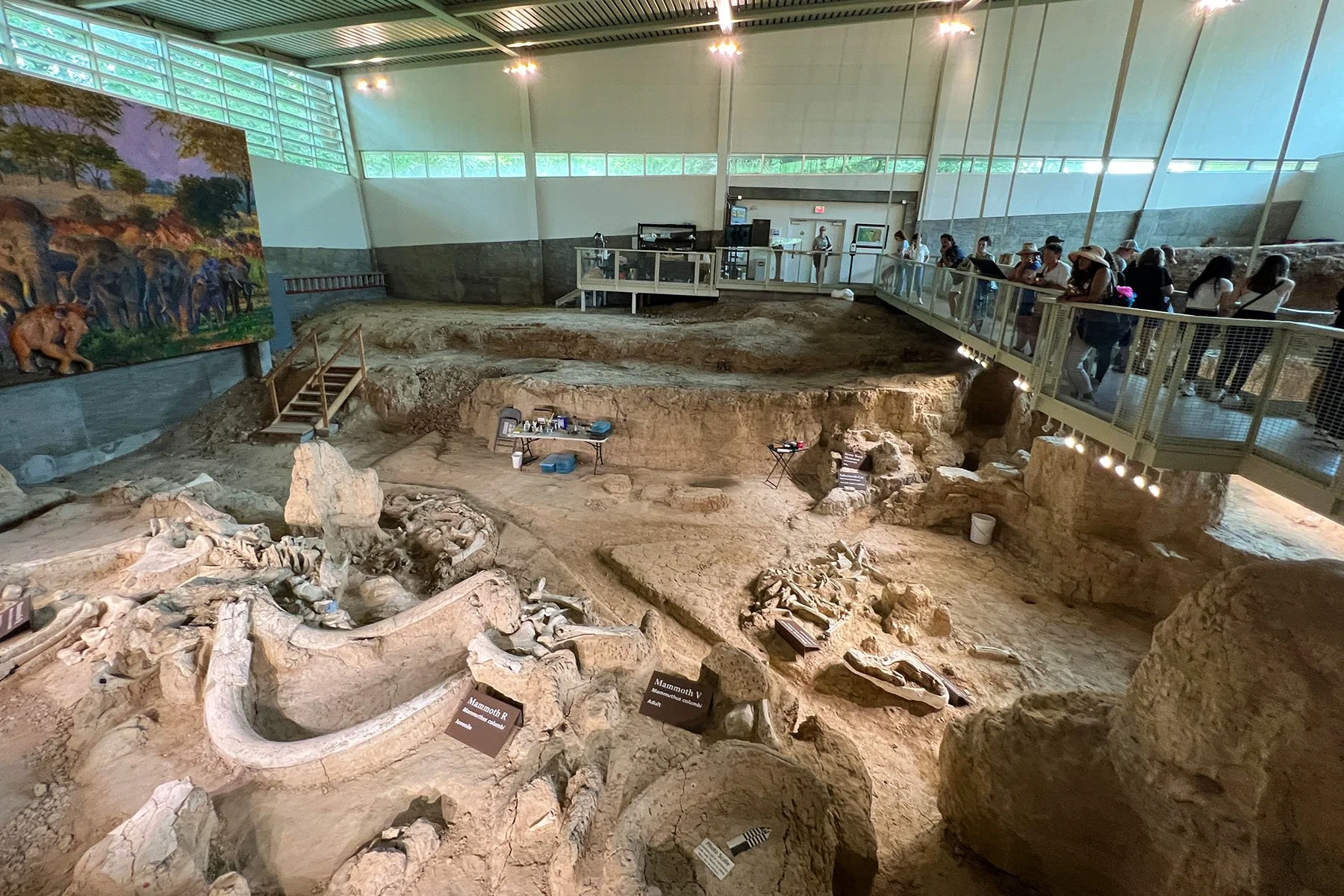
It doesn't show you the Waco Mammoth National Monument — a genuine National Park Service site where Columbian mammoth fossils are still being excavated from the ground, still embedded exactly where they fell thousands of years ago, inside a city that most people associate with a television show about renovating houses.
It doesn't show you the 1870 Suspension Bridge over the Brazos, built the same year the transcontinental railroad was completed, once the longest single-span suspension bridge in the United States, now a pedestrian crossing that earns ten quiet minutes of your time on any evening you happen to be nearby.
It doesn't show you the grain silos on Webster Avenue, transformed into one of the most visited markets in Texas. It doesn't show you the distillery producing some of the most awarded craft whiskey in the country. It doesn't show you the restaurant that people drive two hours specifically to eat at, or the coffee shop that's earned its own following among people who take coffee seriously, or the university campus that gives downtown Waco the particular energy of a city that has young people in it who chose to be there.
None of that is visible from I-35. All of it is ten minutes off the highway. That's the whole problem, and it's an easy one to fix.
The City That Earned Its Second Look
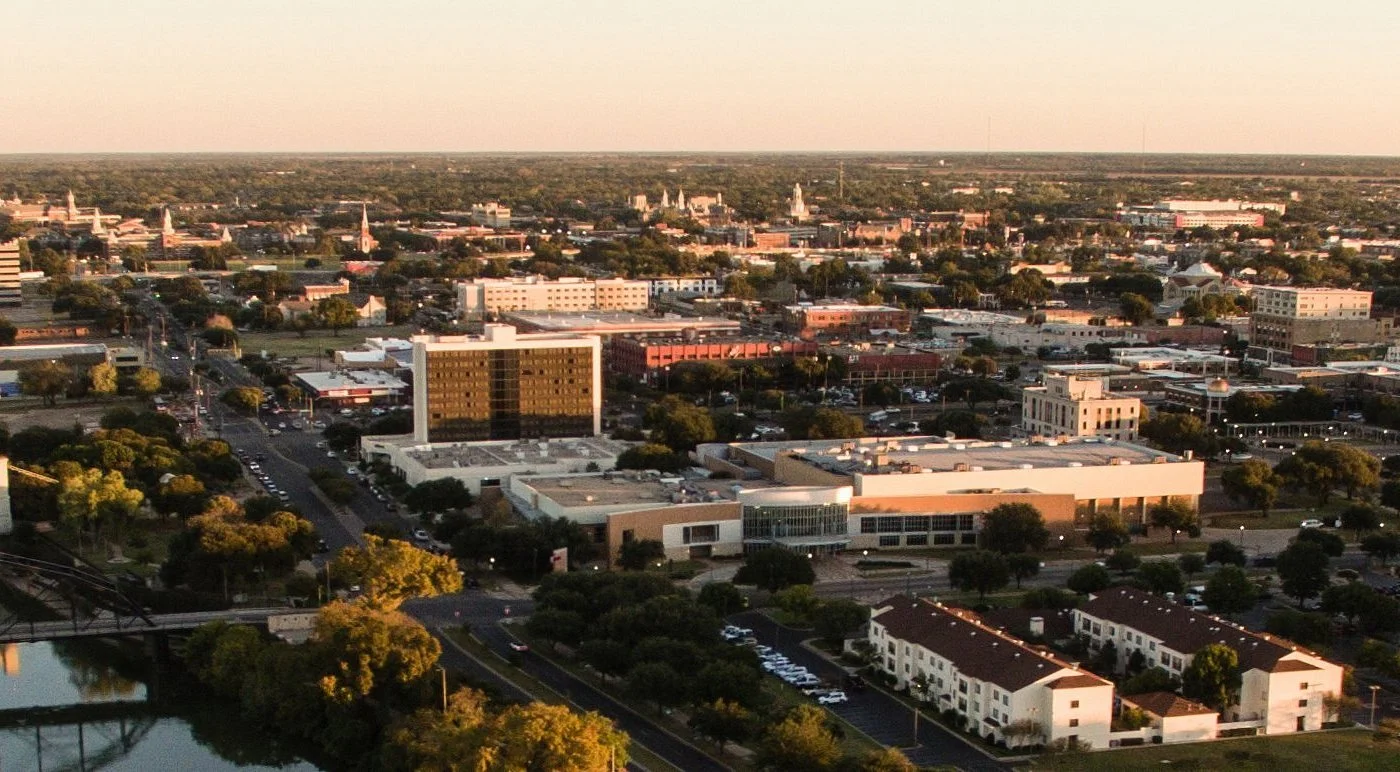
Waco has had a complicated relationship with its own reputation. The 1990s left a shadow that took years to fully lift. The decades before that had done what decades do to mid-size American cities that aren't Dallas or Austin — a slow drift toward the familiar story of downtown vacancy and suburban sprawl and the quiet resignation of a place that has stopped expecting much from itself.
And then, gradually, something shifted.
It didn't happen all at once and it didn't happen because of any single thing, though a television show about renovating houses accelerated the timeline considerably. It happened because enough people who cared about the city started building things in it — restaurants, businesses, events, institutions — with the particular energy of people who believe the place they're working in is worth the effort.
The Waco you can pull off I-35 and access in a weekend today is the result of that accumulated effort. A downtown with genuine personality. A food scene that rewards curiosity. A cultural calendar that punches above the city's weight. A tourism infrastructure built around the idea that people who come to Waco are going to want to stay in Waco, not just pass through it.
The highway version of the city predates all of that. The version you find when you actually stop is something else entirely.
What Two Days Actually Gets You
Here is the thing about Waco that surprises most first-time visitors who come with low expectations: two days is not enough.
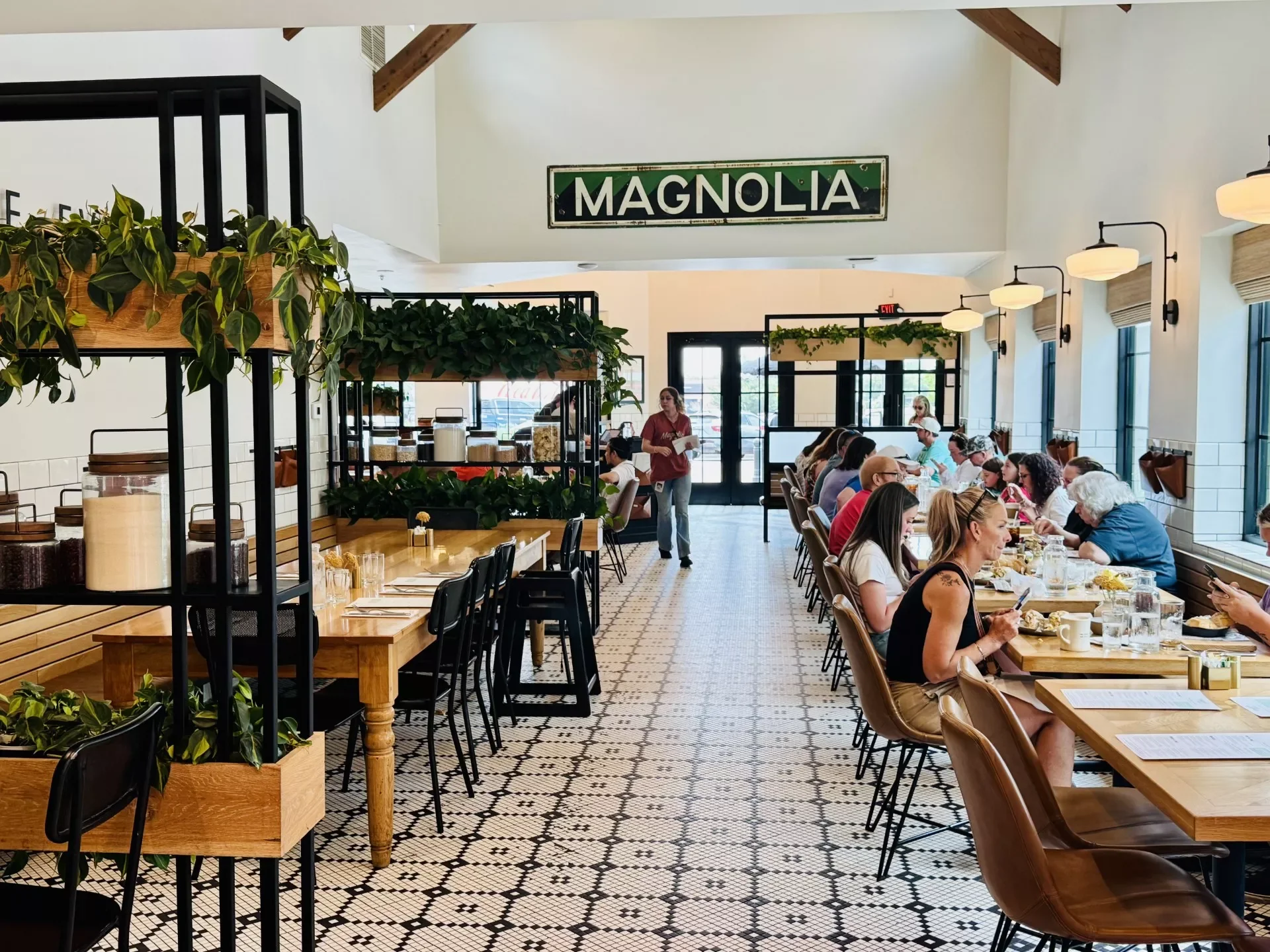
Not because the city is overwhelming or the list of things to do is endless, but because the best version of a Waco trip requires a pace that a quick stopover can't accommodate. The morning at the Silos that doesn't feel rushed. The evening on the Barndominium deck watching the light change over the lake. The slow Magnolia Table brunch where the wait becomes part of the experience. The Cameron Park trail in the early morning before the heat comes. The late night at Balcones that starts as a tasting flight and ends as the best conversation of the trip.
These things take time. Not a lot of time — a long weekend covers most of it comfortably — but more than a highway exit allows.
Day one is when Waco introduces itself. You get in, find the property, let the city's pace start to replace whatever pace you brought with you. The Silos in the evening if you arrive early enough, or just the property and a good dinner and the particular relief of being somewhere that isn't the highway.
Day two is the full day — Magnolia Market in the morning, the mammoth site or Cameron Park in the afternoon, dinner somewhere that rewards the decision to look past the obvious options. This is the day the city shows you what it actually is, and it is almost always better than whatever you expected.
Day three is the slow morning that makes you want to stay longer. Brunch. One last wander. The drive back down I-35 that feels fundamentally different from the drives you've taken this road before, because now you know what's ten minutes to the left of the exit signs. 🌿
The Place You Stay Changes Everything
The gap between passing through Waco and actually being in Waco is significant on its own. But there's a second gap — between staying somewhere generic and staying somewhere that was built to make you feel like you arrived rather than just stopped.
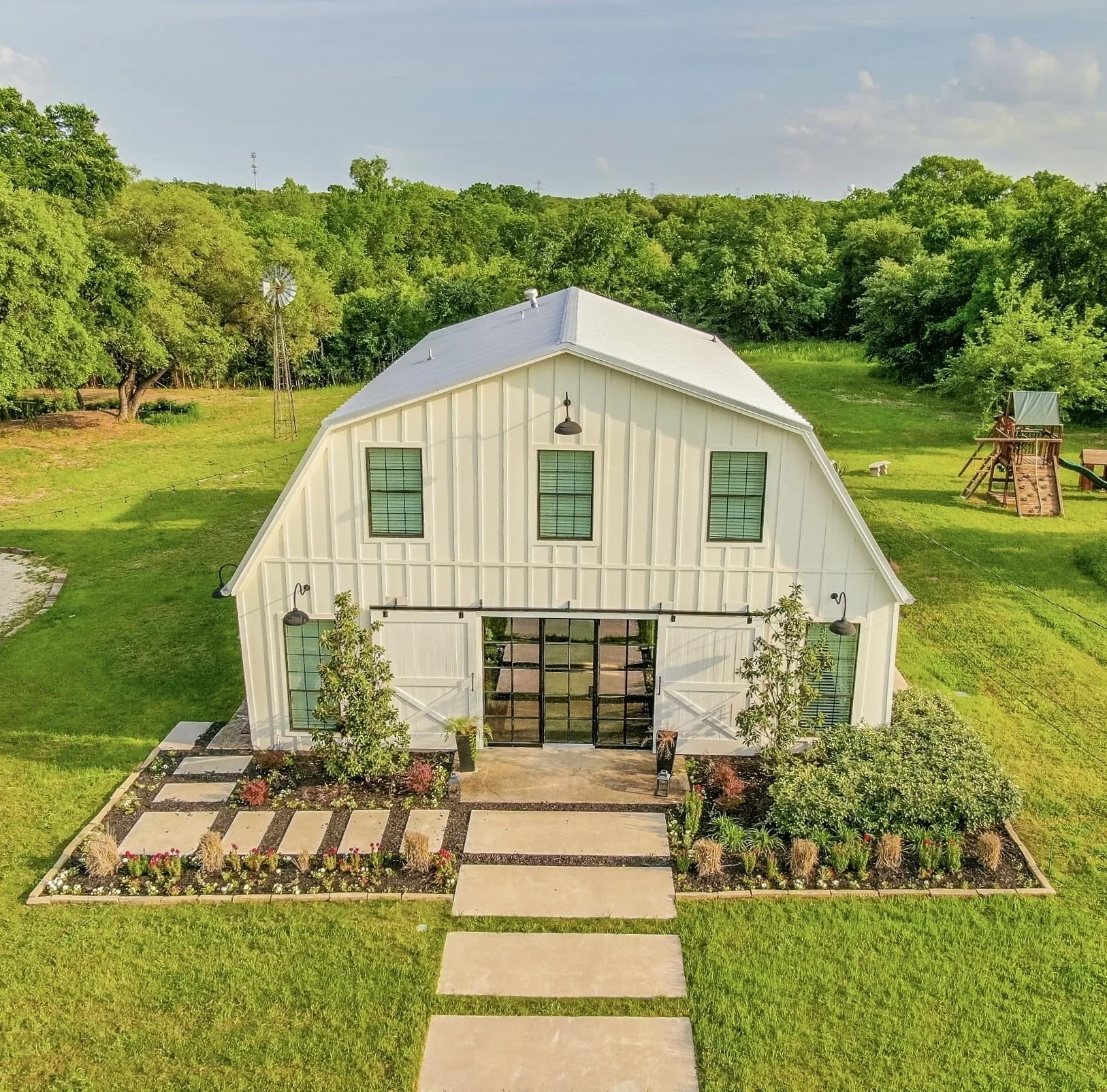
The two Fixer Upper homes sitting just outside downtown Waco are the reason most visitors cross that second gap without even realizing it's happening.
The Barndominium — Chip and Joanna's most iconic renovation, a working horse barn transformed into a dramatic farmhouse on 16 private gated acres with a spring-fed lake and an 800-square-foot deck — is not the kind of place you pass through. It is the kind of place that reorients your entire relationship to the weekend the moment you pull into the driveway. The gate closes behind you and the highway disappears and suddenly you are somewhere that has nothing to do with being in transit. It sleeps 16 across 5 bedrooms and is the right choice for any group that wants the full version of the experience. 🏡
The Little House — the actual Season 2, Episode 1 property, with original floors and ceilings and Joanna's furniture still in place and a 200-year-old oak shading the back deck — does something similar at a smaller scale. It sleeps 8 across 3 bedrooms and has the particular warmth of a space that was designed for people to feel at home in, not just accommodated. Which is a rarer quality in a vacation rental than it should be, and one you notice immediately and don't stop noticing for the entire stay. ☕
Both properties are minutes from everything worth doing in the city. Both have the quality that the best travel accommodations share: they make you feel like the trip has already started the moment you arrive, rather than the moment you leave.
The Honest Case
Waco is not asking to be your bucket list destination. It is not trying to compete with the cities it sits between on the map. It is not making the argument that it is the most exciting or the most glamorous or the most Instagram-worthy stop on the I-35 corridor.
It is making a quieter and more durable argument: that it is a genuinely good place to spend a weekend, with more substance and more warmth and more worth your time than the highway has ever suggested. That the ten-minute detour from the exit ramp leads somewhere real and considered and, for most people who take it, surprising in the best possible way.
The gas station version of Waco has been there your whole life. The actual city has been there too, right behind it, waiting for you to pull off and stay a while.
Pull off. Stay a while. The highway will still be there Sunday afternoon when you're ready to go home — and you will be significantly less ready than you expected.
📩 Check availability for the Barndominium and the Little House and give Waco the weekend it's been waiting for you to take.