Everything Worth Doing in Waco Besides the Silos
Here's something that surprises most first-time Waco visitors: the Silos are not the best part of the trip.
They're great. Genuinely worth the visit. But the guests who come back to Waco — and there are a lot of them — almost always say the same thing: the city has more going on than the Magnolia footprint, and the stuff outside of it is where Waco starts to feel like a real place rather than a destination built around one TV show.
This is the guide for everything else. The stops that don't make the obvious list but consistently earn the strongest reactions from visitors who stumble into them.
The Waco Mammoth National Monument
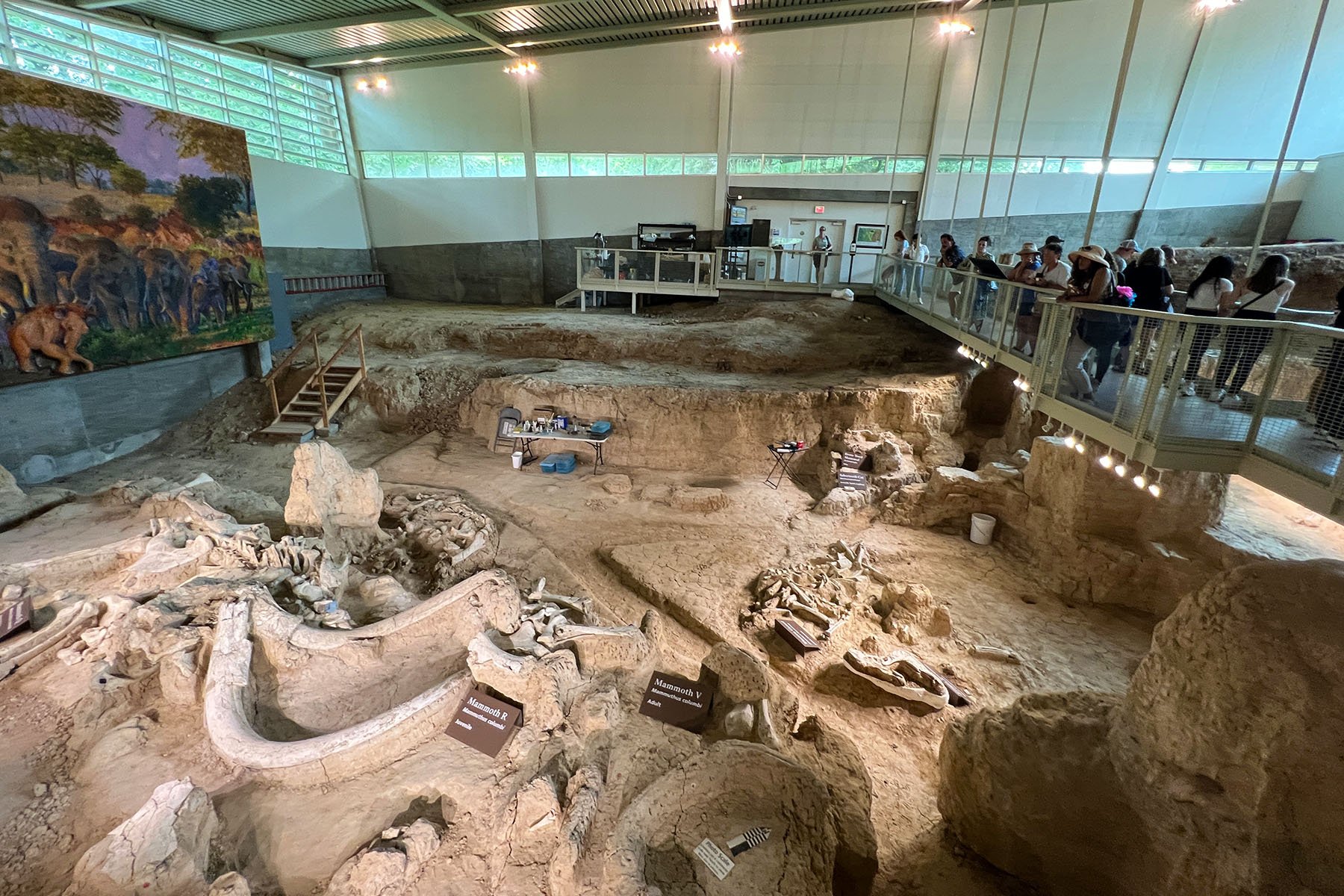
Start here. This is the stop most visitors almost skip and universally regret not prioritizing.
In 1978, two men digging along a Waco creek bed discovered a bone. It turned out to be the beginning of the largest recorded discovery of a Columbian mammoth herd in the United States — a group of mammoths that died together thousands of years ago and have been preserved in the earth ever since. The site is now managed by the National Park Service, and guided tours take you inside a climate-controlled shelter where the fossils are still in the ground, still being excavated, still exactly where they fell.
It takes about 90 minutes. It costs almost nothing. It produces the kind of genuine, unmanufactured wonder that most tourist attractions promise and rarely deliver. Book the guided tour in advance — spots fill up, especially on weekends. Go in the morning before the heat peaks if you're visiting in summer.
This is not a detour from the Waco trip. For a lot of repeat visitors, it's the centerpiece of it. 🦣
Cameron Park
Four hundred acres of trails, limestone bluffs, and Brazos River views in the middle of the city — and one of the most consistently underused stops in all of Waco tourism.
The Lover's Leap trail is the one to do. It's not long, it's not technically demanding, and it ends at a bluff overlooking the Brazos River that earns a few minutes of just standing and looking. The view from that bluff — the river below, the tree canopy stretching in every direction, the city audible but invisible — is one of the better things Waco offers and it costs exactly nothing.
Go in the morning before the heat builds. Bring water. Give it more time than you think you need. Cameron Park rewards the visitor who slows down enough to let it work. 🌳
Cameron Park Zoo
Right inside the park, consistently ranked among the better mid-sized zoos in Texas, and routinely overlooked by visitors who assume a Waco zoo can't be worth the stop.
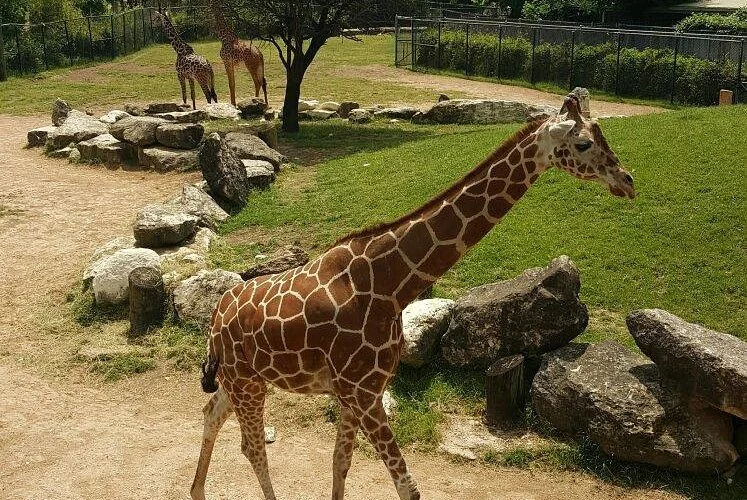
It can. Over 1,700 animals across more than 50 acres, with exhibits designed around natural habitats rather than the typical zoo enclosure approach. The big cats, the reptile house, the Brazos River Country section — all of it is better than the size of the city would suggest it should be.
Plan two to three hours. Good for kids, good for adults, good for anyone who needs an afternoon activity that isn't another round of Magnolia Market shopping.
Balcones Distilling
One of the most awarded craft whiskey producers in the United States, sitting quietly in downtown Waco without making nearly enough noise about it.
The tasting room is warm, unhurried, and staffed by people who genuinely know what they're pouring and enjoy talking about it without being pretentious about it. The Baby Blue corn whiskey and the Rumble are the starting points — both are excellent and both will recalibrate your sense of what Texas whiskey can be if your frame of reference is limited to the obvious big names.
This is not a tourist trap dressed up as a distillery. It's the real thing, and it's genuinely one of the better reasons to spend time in downtown Waco that has nothing to do with shiplap. 🥃
The Waco Suspension Bridge
Built in 1870, it was at the time the longest single-span suspension bridge in the United States. Cattle drives on the Chisholm Trail crossed here. The same company that built this bridge later built the Brooklyn Bridge in New York.
It's a pedestrian crossing now, and it takes about ten minutes to walk across and back. But the bridge at dusk, with the Brazos below and the city lit up around it, is one of those small, free experiences that adds something to a trip that's hard to name specifically but easy to feel.
Don't drive past it. Park, walk across, stand over the water for a few minutes. It's worth the stop. 🌉
The Brazos Riverwalk
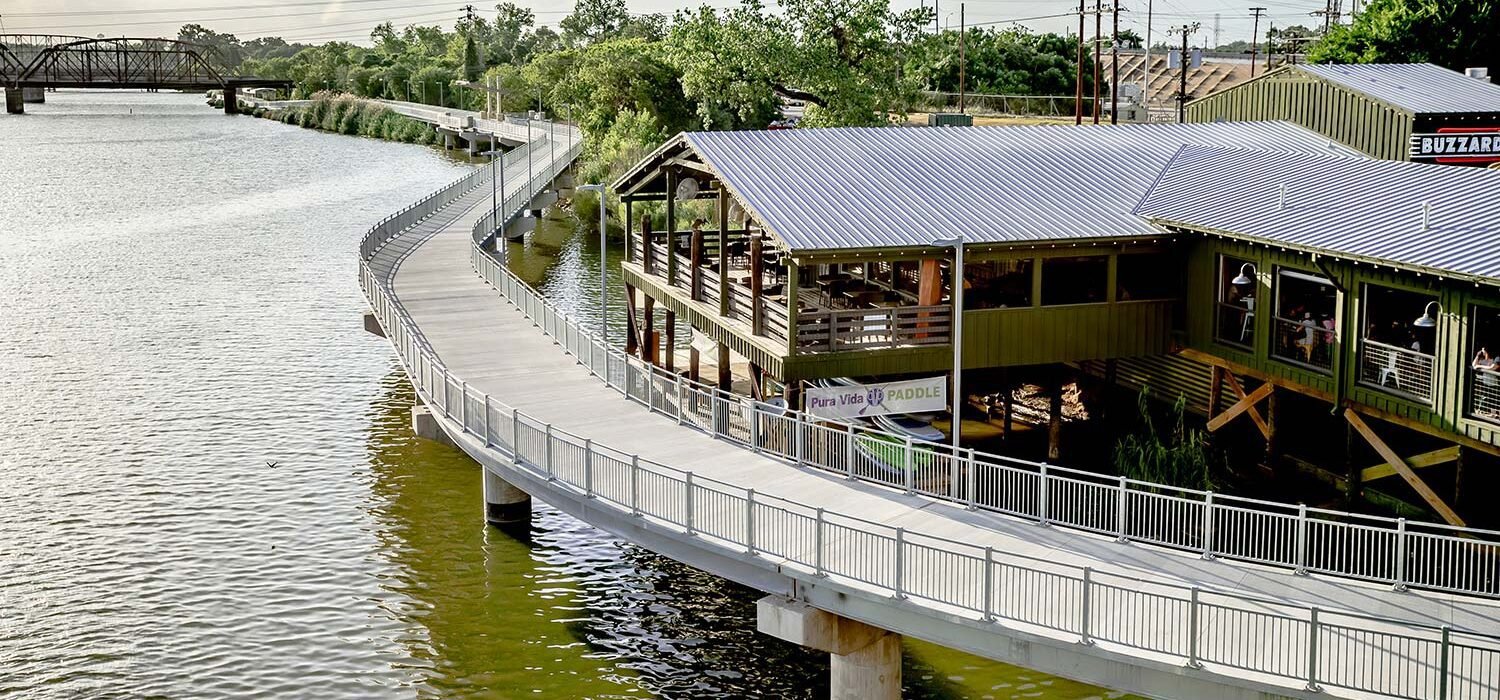
Seven miles of paved trail running along both banks of the Brazos River, connecting Cameron Park to downtown, passing under historic bridges, and giving you river views that most cities would charge admission for.
The hour between late afternoon and early evening — roughly 5 to 6:30pm — is when the Riverwalk is at its best. The day crowds have thinned, the light has gone golden, and the trail is quiet enough to actually hear the river. Walk from the Suspension Bridge south and back, or pick up the trail at Cameron Park and follow the water downtown.
Free, accessible, and genuinely beautiful in a way that surprises visitors who arrived expecting a city defined entirely by a home renovation show.
The Dr Pepper Museum
Waco is the birthplace of Dr Pepper, and the museum dedicated to that fact is considerably more interesting than the premise suggests.
Located in the original 1906 bottling plant where Dr Pepper was first produced commercially, the museum walks you through the history of the drink and the building with exhibits that are genuinely well-curated for something this niche. The working soda fountain in the gift shop — where you can get a Dr Pepper made the original way, with soda water and syrup — is the kind of detail that earns the stop on its own.
Budget 45 minutes. Don't skip the gift shop. Come out knowing significantly more about the soft drink industry than you did going in, which is an outcome most people didn't expect from a Waco afternoon and end up enjoying anyway. 🥤
Dichotomy Coffee & Spirits
The downtown spot that earns its own following among visitors who venture past the Magnolia footprint and then can't stop recommending it to everyone who asks about Waco.
Dichotomy does coffee in the morning and cocktails at night with equal seriousness and consistent excellence. The space is warm, the energy is local rather than tourist-facing, and the cocktail menu takes the kind of care that makes you wish more bars in more cities operated this way.
Go for coffee on Saturday morning before the Silos. Come back for cocktails Saturday night before dinner. It's the kind of place that makes you understand why people who move to Waco tend to stay.
Homestead Heritage
About 20 minutes outside of downtown Waco, and worth the drive for anyone who wants to understand what Central Texas looked like before any of this was famous.
Homestead Heritage is a working agrarian community — a living history farm where craftspeople and farmers practice traditional trades in a genuinely immersive setting. Blacksmithing, woodworking, pottery, weaving, farming — all of it happening in real time, with real practitioners, on real land. The craft village is open to visitors and the on-site restaurant serves food grown on the property.
It sounds like a museum but it doesn't feel like one. It feels like stepping into a different relationship with time and work and land, which is an experience Waco doesn't advertise loudly enough and which earns its place on any serious Waco itinerary.
Vitek's BBQ
Operating since 1915, Vitek's is the Waco institution that has outlasted everything the city has been through and shows no signs of stopping.
Order the Gut Pack — smoked meat served in a bag with Fritos, which sounds like a regional curiosity and tastes like something you'll be thinking about on the drive home. No dress code, no reservation, no pretension. Just the kind of Texas BBQ that has been excellent for over a hundred years because it has never needed to be anything other than what it is.
Go for lunch. Come hungry. This is not a stop for people who are planning to eat again soon. 🔥
Health Camp
A burger stand from 1949 that has served the same basic menu from the same basic building for longer than most Waco visitors have been alive.
There is nothing complicated about Health Camp. You order at the window, you get a burger and a milkshake, you eat somewhere without a dress code, and you feel like you found something the travel guides didn't cover because the travel guides are always more interested in the new thing.
Health Camp is not the new thing. It is the old thing that kept being excellent long enough to become the permanent thing. That's worth supporting.
The Fixer Upper Drive-By Tour
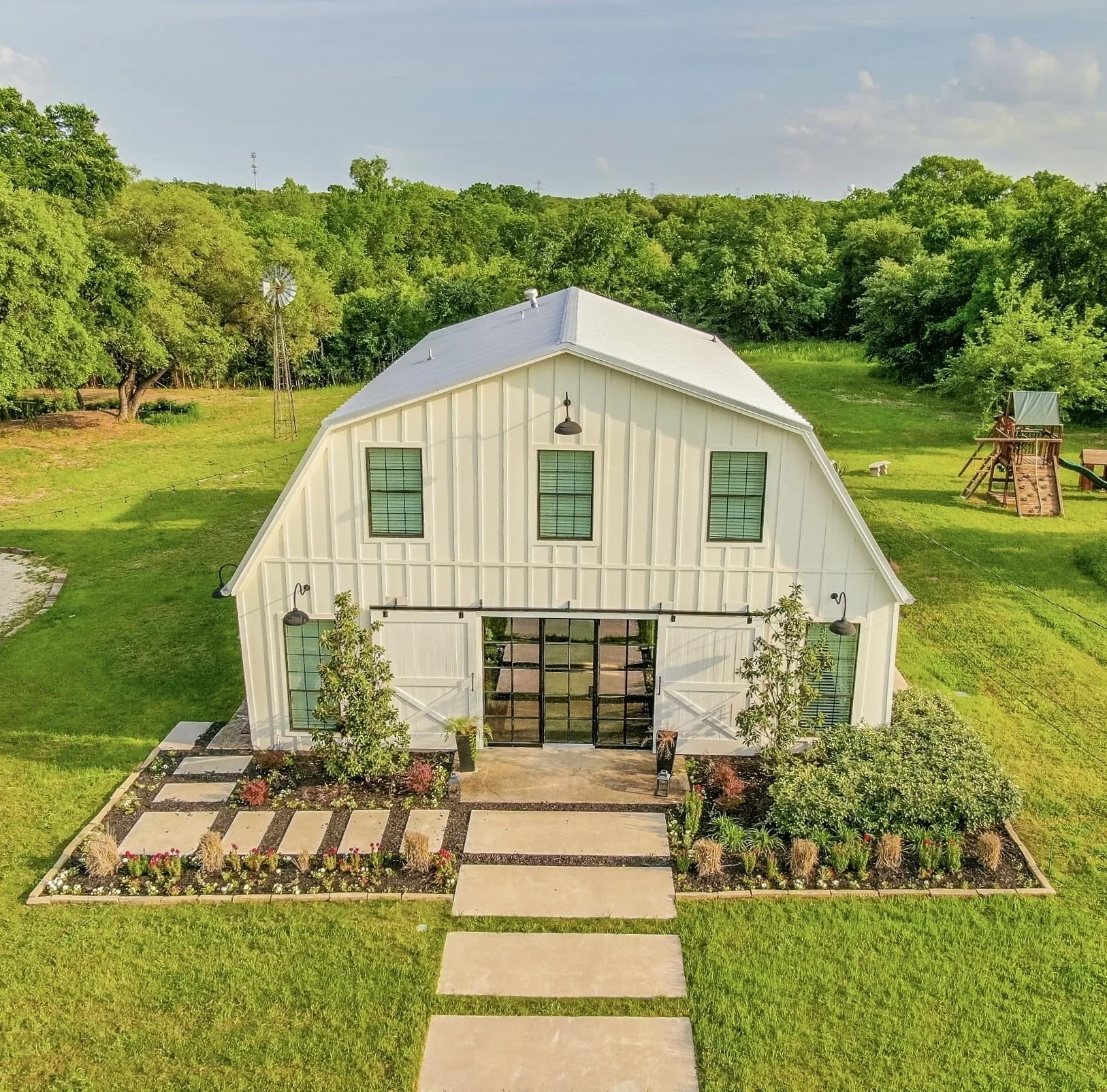
This one technically involves the show, but it has nothing to do with the Silos — and for Fixer Upper fans, it's the stop that most consistently earns the strongest reactions.
Pull up a list of the homes Chip and Joanna renovated throughout the show's run, load the corresponding episodes on your phone, and drive slowly through the neighborhoods where most of the projects are concentrated. Seeing a house you've watched get transformed on television, standing in real life on a real street, is a specific and surprisingly moving experience that doesn't require the Silos to happen.
Budget about an hour. Do it on a Saturday morning before the day fills up. Don't underestimate how much you'll enjoy it. 🗺️
The Bottom Line
Waco is a better city than the Silos-centric version of it that most travel guides present. The mammoths alone are worth the trip. Cameron Park is better than any urban park its size has a right to be. Balcones is pouring some of the finest whiskey in the country in a room that seats thirty people. The Riverwalk at golden hour is free and beautiful and almost always uncrowded.
None of it requires any prior interest in home renovation television. All of it rewards the visitor who looks slightly past the obvious.
The Silos are a good first stop. Everything on this list is why you should stay.
📩 Check availability for the Barndominium and the Little House — stay in the actual Fixer Upper homes and spend the rest of your time discovering the Waco that most visitors miss.